
Services
Engineering
CBS technicians maintain and repair equipment on vessels and at industrial sites in Equatorial Guinea.
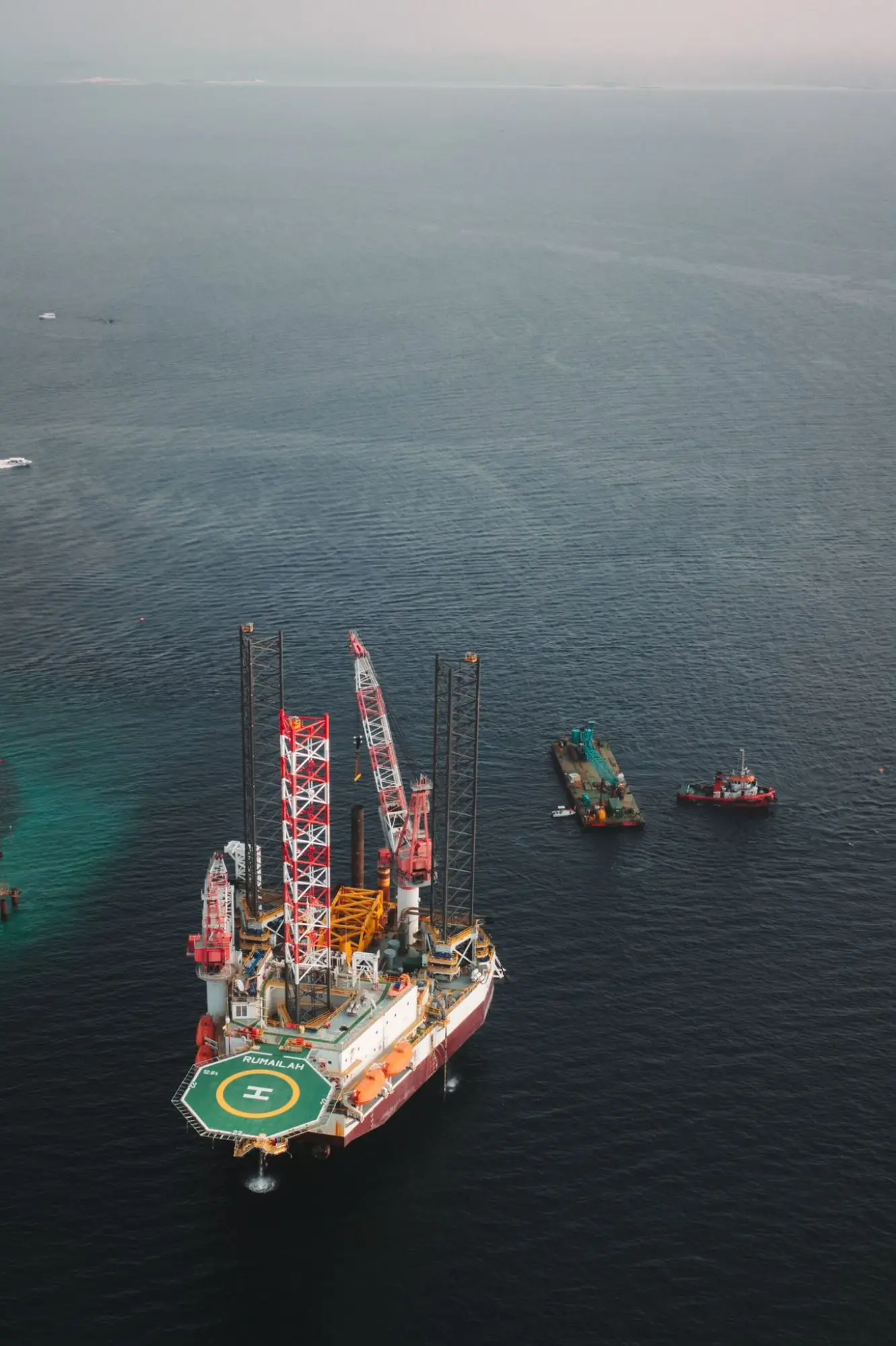
Repairs made where the equipment sits
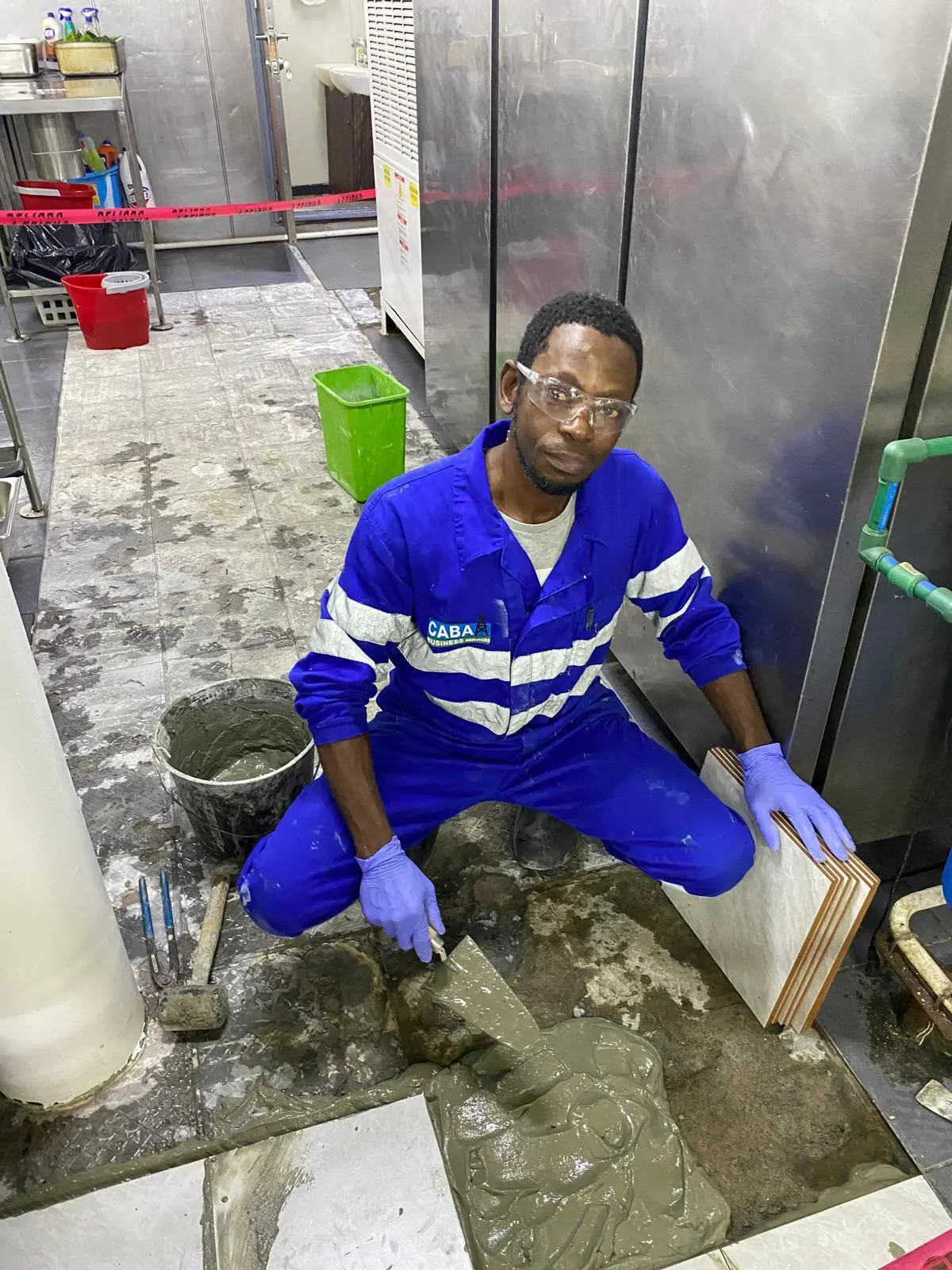
Each job starts with a written scope agreed with your superintendent or site engineer. During a port call the job list is planned around the sailing time. At an industrial site we more often place a standing team that works through your maintenance plan.
A technician diagnoses a fault before anyone orders parts. Some spares can be bought in Malabo. The rest are imported through our logistics team, and that takes time.
If a fault turns out larger than reported, we stop until your engineer has agreed the extra work. We do not carry out dry docking, and any repair that needs class approval stays under your superintendent’s direction.
Scope
Work you can write into the scope
- Planned maintenance of pumps, valves, generators and auxiliary engines at agreed intervals
- Servicing and repair of deck machinery, including winches and cranes
- Fault finding and repair on electrical distribution, lighting, HVAC and refrigeration plant
- Pipework and steelwork repair, including fabrication, welding, surface preparation and coating
- Repair work alongside or at anchor during a port call
- Breakdown attendance and fault diagnosis, with temporary repair pending a permanent fix
- Spares sourced locally or imported, with customs paperwork prepared by CBS logistics
- Coordination of specialist contractors and maker’s engineers brought in for the job
How we run it
Planned on paper before the tools come out
A named supervisor
Every contract has a named CBS supervisor who answers to your team and, on larger crews, sets the daily job list on the vessel or site.
Permits and isolations
No machine is opened until its isolation has been proved, and hot work or enclosed space entry waits for its own permit.
Tested, then signed off
Repaired equipment is run and tested with your engineer present, and the job is closed when your engineer has signed for it.
Job reports with photos
A written report follows every job: what was found, what was done, photos before and after, spares used, hours worked and anything left outstanding, with the reason.
The other four, from the same office.
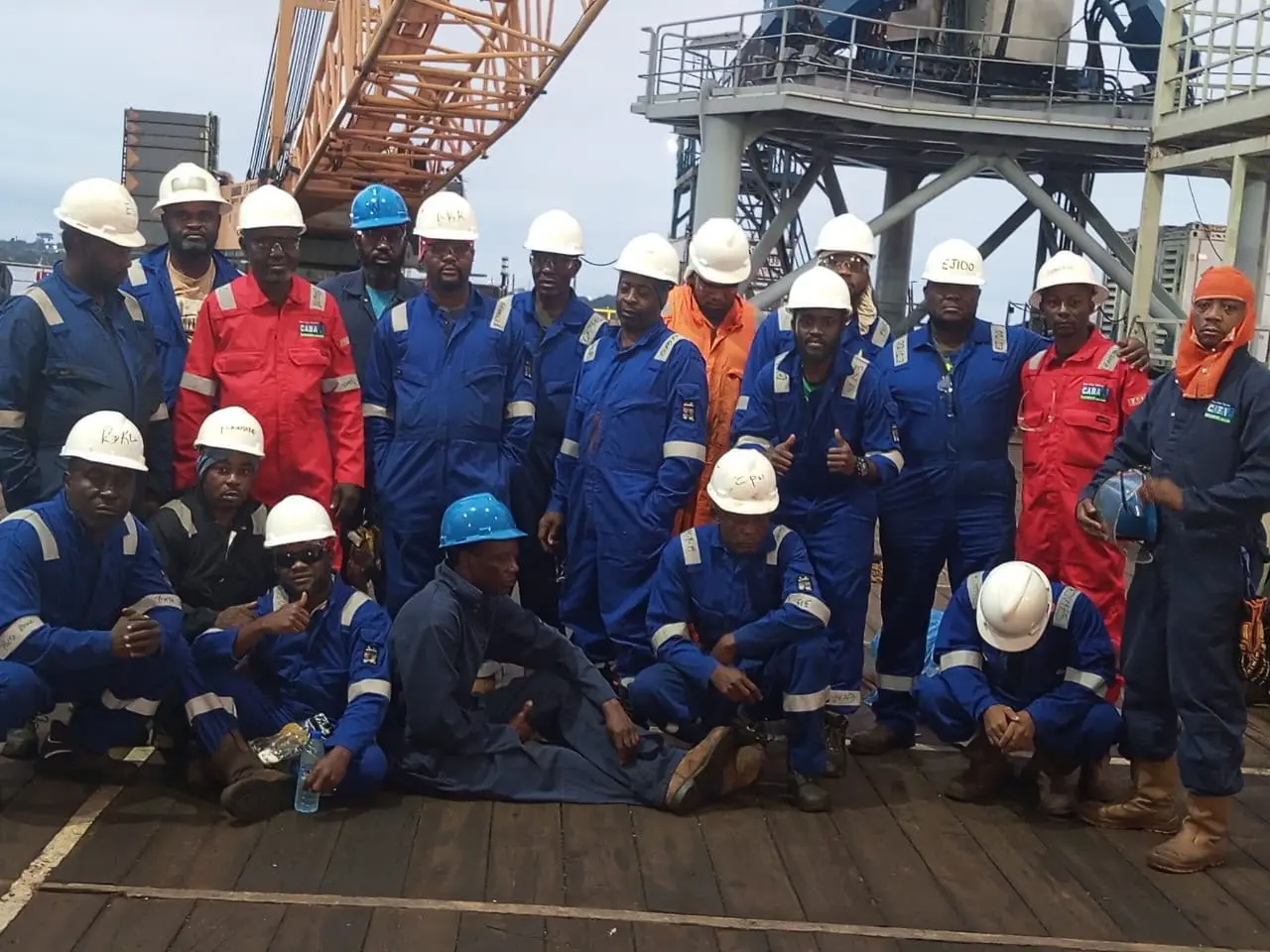
Manpower
Vetted crew and site personnel, with a supervisor and a rotation plan.
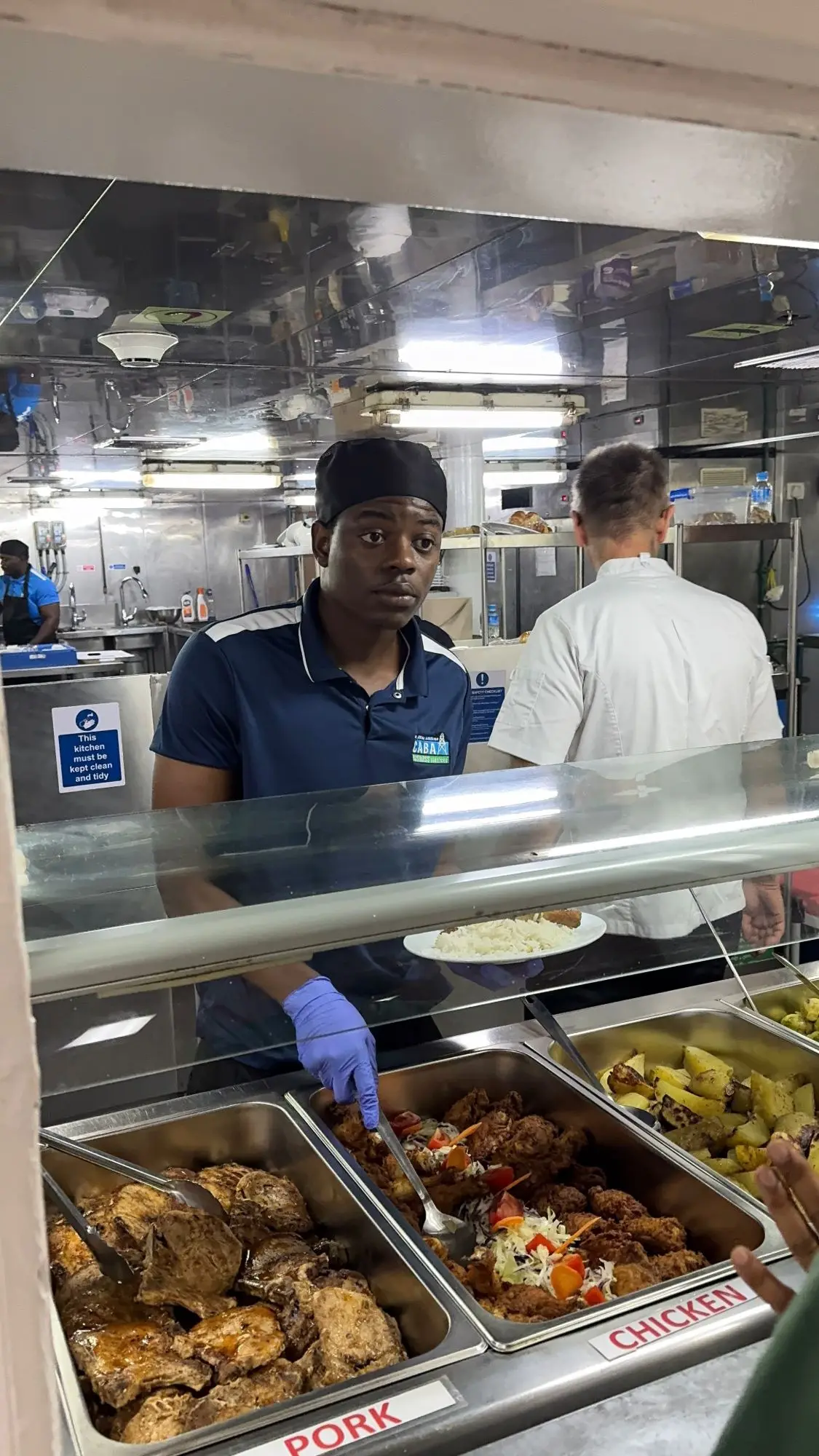
Catering
Galley and camp catering, from ordering provisions to serving meals.
Logistics
Port calls, customs paperwork, warehousing and the movement of people and materials.
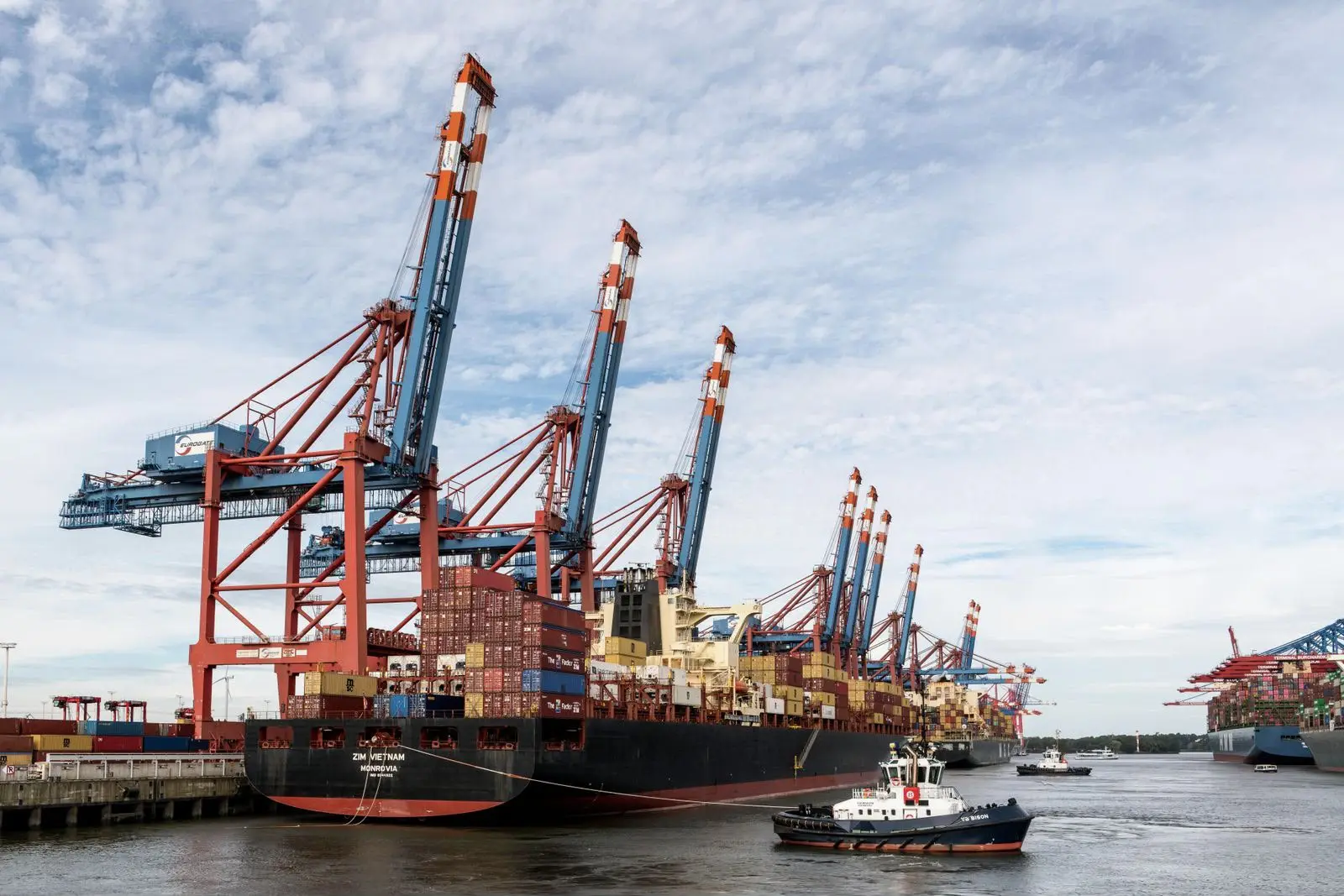
Ship chandlery
Provisions, stores and safety equipment sourced and delivered to vessels in port or offshore.

Send us the scope. We will reply within one working day.
Dates and rough numbers are enough to start.
Or contact us directly